Coach
Asking people for money is not something I enjoy doing. True, cancer survivorship and cancer research is a great cause. But the act of asking people for money for the cause, the groveling, is not something I look forward to. At times, it makes you wonder.
Then you get a piece of news that shakes your soul. My sailing coach, who had a profound influence on my development as a human being, was diagnosed with throat cancer on December 16, 2005. I didn’t find out until I got back from vacation in January.
Although I hadn’t spoken with him in awhile, we spent a lot of time together when sailing was the most important thing in my life. I saw him almost every day during the fall and spring for three and a half years. We talked about the team, we talked about the future, but mostly we talked about sailing.
A college girlfriend, who was twice as smart as I’ll ever be, used to get white-hot angry at me because she claimed I didn’t have any friends and I had no idea how much work it was to make a friend and keep one. She said that since all I did was sail, I had an entire universe of ready-made friends. All I had to do was show up, put the boat on the line, sail by the rules, and I had an entire fleet of friends. She was right.
Nineteen years after I left my sailing team, I still considered Coach that kind of friend. On Wednesday, work was kind of slow and my creative partner was out of town taking care of a revision to a job we’d worked on the previous month. I knew my Coach was going into his first session of chemo, so I called to see if he would accept visitors.
He said he would. After a lunch of two slices of Newbury Pizza, I took the green line of the MBTA over to the Dana Farber Cancer Institute. Two stops before I was to get off, we got word that the high winds had knocked a tree down onto the train tracks.
Not promising. There were several trains ahead of us. I jumped off the stalled train, which had become a terrarium of humidity, and started walking. The mist became showers, the showers became wind driven rain, and then the rain became a monsoon.
Arriving at the Dana Farber Cancer Institute, there was precious little of me that was dry. A nice lady at reception scanned my license and gave me a visitor badge with a red "V" on it.
Before I went up to the tenth floor, I stopped by the Perini Family Survivorship Center on the first floor to visit with the Lance Armstrong signed jersey we had donated in honor of our co-worker Geoff Mullett. It was still hanging on the wall and it still looked great. My friend Usha, who works in the center, was not present, but her co-worker was. I wished her my best and hoped her husband’s battle was going well.
On the tenth floor of the Dana Farber, in the infusion center, people of all ages, races, and economic classes lay on beds or sat in chairs receiving their chemo treatment. The attending nurse didn’t know where Coach was, so I starting making my rounds looking for him.
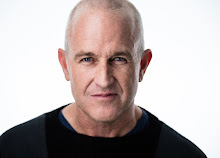
Next to a window, leaning back on a bed, I found Coach. He looked great. Funny. He’s at least 13 years older than I am. When I was a student, he looked better than me. Still does. The cruel Irish genes have aged me quickly, and I can pass for ten years older than my real age, no problem.
Coach hadn’t changed, and I mean that in the best way. He still had his great sense of humor. He still had the twinkle in the eye. He was still as devoted to the sport of sailing as ever.
Coach’s treatment started with an IV drip that would hydrate him and flush his kidneys. A cheery, competent nurse explained each part of his treatment, and before starting a new drip, would read aloud Coach’s patient number on his wrist and then read the patient number on the bag of medicine. It’s important the two match. Giving patient number 1567 the medicine that should go with patient 1657 could produce some very bad results.
Next up, an antihistamine drip, and an anti-nausea drip. We chatted while the fluids went into his body. As Coach said, “We have a lot of catching up to do," the nurse returned wearing purple rubber gloves and a protective smock. She was carrying the first bag of chemo.
Coach said, “Is that the chemo?”
“Yes.”
“Bring it on!”
Coach asked her why she was wearing the protective clothing, and she explained that if the bag were to burst, the liquid would burn her skin. The medicine is that powerful.
As the chemo drip started, another doctor stopped by to explain the intricacies of Coach’s treatment to him. She wanted to be alone with him, so it was time for me to leave.
You can’t walk out the doors of the Dana Farber Cancer Institute without feeling profoundly grateful that there are smart people in this world who wanted to be oncologists, or nurses, or researchers.
Sure, I believe in freedom of choice and it’s great that we have people in this world who want to be all kinds of things. But I have to believe the accommodations in heaven are a little more plush for the people who worked at Dana Farber than the morons like me who made a living working in advertising.
Then you get a piece of news that shakes your soul. My sailing coach, who had a profound influence on my development as a human being, was diagnosed with throat cancer on December 16, 2005. I didn’t find out until I got back from vacation in January.
Although I hadn’t spoken with him in awhile, we spent a lot of time together when sailing was the most important thing in my life. I saw him almost every day during the fall and spring for three and a half years. We talked about the team, we talked about the future, but mostly we talked about sailing.
A college girlfriend, who was twice as smart as I’ll ever be, used to get white-hot angry at me because she claimed I didn’t have any friends and I had no idea how much work it was to make a friend and keep one. She said that since all I did was sail, I had an entire universe of ready-made friends. All I had to do was show up, put the boat on the line, sail by the rules, and I had an entire fleet of friends. She was right.
Nineteen years after I left my sailing team, I still considered Coach that kind of friend. On Wednesday, work was kind of slow and my creative partner was out of town taking care of a revision to a job we’d worked on the previous month. I knew my Coach was going into his first session of chemo, so I called to see if he would accept visitors.
He said he would. After a lunch of two slices of Newbury Pizza, I took the green line of the MBTA over to the Dana Farber Cancer Institute. Two stops before I was to get off, we got word that the high winds had knocked a tree down onto the train tracks.
Not promising. There were several trains ahead of us. I jumped off the stalled train, which had become a terrarium of humidity, and started walking. The mist became showers, the showers became wind driven rain, and then the rain became a monsoon.
Arriving at the Dana Farber Cancer Institute, there was precious little of me that was dry. A nice lady at reception scanned my license and gave me a visitor badge with a red "V" on it.
Before I went up to the tenth floor, I stopped by the Perini Family Survivorship Center on the first floor to visit with the Lance Armstrong signed jersey we had donated in honor of our co-worker Geoff Mullett. It was still hanging on the wall and it still looked great. My friend Usha, who works in the center, was not present, but her co-worker was. I wished her my best and hoped her husband’s battle was going well.
On the tenth floor of the Dana Farber, in the infusion center, people of all ages, races, and economic classes lay on beds or sat in chairs receiving their chemo treatment. The attending nurse didn’t know where Coach was, so I starting making my rounds looking for him.
Next to a window, leaning back on a bed, I found Coach. He looked great. Funny. He’s at least 13 years older than I am. When I was a student, he looked better than me. Still does. The cruel Irish genes have aged me quickly, and I can pass for ten years older than my real age, no problem.
Coach hadn’t changed, and I mean that in the best way. He still had his great sense of humor. He still had the twinkle in the eye. He was still as devoted to the sport of sailing as ever.
Coach’s treatment started with an IV drip that would hydrate him and flush his kidneys. A cheery, competent nurse explained each part of his treatment, and before starting a new drip, would read aloud Coach’s patient number on his wrist and then read the patient number on the bag of medicine. It’s important the two match. Giving patient number 1567 the medicine that should go with patient 1657 could produce some very bad results.
Next up, an antihistamine drip, and an anti-nausea drip. We chatted while the fluids went into his body. As Coach said, “We have a lot of catching up to do," the nurse returned wearing purple rubber gloves and a protective smock. She was carrying the first bag of chemo.
Coach said, “Is that the chemo?”
“Yes.”
“Bring it on!”
Coach asked her why she was wearing the protective clothing, and she explained that if the bag were to burst, the liquid would burn her skin. The medicine is that powerful.
As the chemo drip started, another doctor stopped by to explain the intricacies of Coach’s treatment to him. She wanted to be alone with him, so it was time for me to leave.
You can’t walk out the doors of the Dana Farber Cancer Institute without feeling profoundly grateful that there are smart people in this world who wanted to be oncologists, or nurses, or researchers.
Sure, I believe in freedom of choice and it’s great that we have people in this world who want to be all kinds of things. But I have to believe the accommodations in heaven are a little more plush for the people who worked at Dana Farber than the morons like me who made a living working in advertising.
posted by joe berkeley at 9:32 PM



0 Comments:
Post a Comment
<< Home